-

As Iran Rises, Ezekiel 38 Returns to the Center of the Prophetic Conversation
As tensions involving Iran continue to rise, many Bible-believing Christians are once again turning their attention to one of the most significant prophetic passages in all of Scripture: Ezekiel 38. For years, students of…
-
Threat to Christians: Iran’s Presidential Race Takes Ominous Turn
Iran faces uncertainty after Khamenei’s death. A hardline cleric’s rise threatens stability and Christians, fulfilling biblical prophecy.
-
A New Global Brink: Mideast Talks, Ukraine War, Nuclear Treaty Ends
Current global events & Middle East tensions align with ancient prophecies. A biblical lens offers perspective on these urgent times.
-

February 2: The Prophetic Pieces of Iran, Israel and The Middle East
Tensions escalate in the Middle East with military buildups, warnings from Iran & Hezbollah, and US deployments, signaling imminent conflict.
-
Prophetic News: Iran Conflict Fears Intensify
Middle East tensions escalate towards potential large-scale conflict. Iran’s military posturing and US/Israel responses raise global concerns.
-
Middle East Erupts: Iran, US/Israel Tensions; Hamas’s Civilian Toll
Middle East tensions escalate with Iran’s military exercises and threats against Israel. This volatile situation echoes ancient prophetic narratives of divine design.
In the End Times
News and reflections on the Last of Days in 2026, combining Scripture (KJV) with Geopolitics
This is how it all started…
My journey into understanding the times we live in didn’t begin in a newsroom, but in a small living room in the Netherlands. Growing up, I sat at the feet of my grandfather, a man who spent his life meticulously studying the complexities of the “Last of Days.” He taught me to look past the surface of world events and to seek the patterns hidden within Scripture.
That foundation grew into a personal obsession with the details. For years, I have tracked the intricate movements of global power—from the shifting alliances in the Middle East to the digital transformation of our global currency systems. I spent years sharing these findings through an anonymous YouTube account, dissecting the nuances of Revelation and how they mirror modern geopolitics.
However, as we move through 2026, I believe the time for anonymity has passed. Real truth requires a face and a name. I am starting from scratch here, bringing a lifetime of study and my grandfather’s legacy into the light. My goal is to provide you with more than just headlines; I want to give you the granular, scriptural details that explain why the world is changing so rapidly.
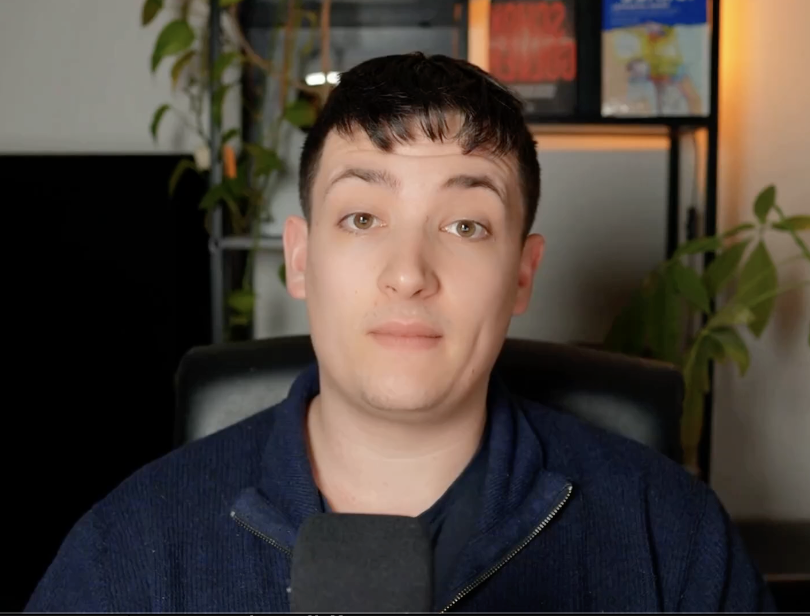
Thijs John
Geopolitical YouTuber & Scripture Admirer (KJV)